A Rolex loan can solve a short-term cash problem: a production payment is late, a client’s check has not cleared, or rent is due before your next booking. But if the money still hasn’t arrived when repayment comes due, the watch is no longer just a valuable possession. It is collateral—and the lender may have the right to sell it.
For creatives and other self-employed Angelenos, that timing gap is familiar. You may have strong annual earnings and still have a thin bank balance in the wrong week. Banks often prefer predictable income they can verify through regular pay stubs. Freelancers may instead have invoices, deposits, residuals, and project payments arriving on different schedules. Asset-backed lending can offer another route, but it does not make repayment risk disappear.
This playbook explains what may happen if you cannot repay a Rolex loan, what to do before you miss a deadline, and how to weigh the cost of keeping the watch against the cost of losing it.
First, Know What “Default” Means in Your Loan Agreement
There is no single rule that applies to every Rolex loan. The agreement—not the word “pawn” or “loan” in an advertisement—sets out the repayment date, interest and fees, grace period, and what the lender may do if you do not pay. Read it before you sign, and read it again as soon as you realize payment may be a problem.
In a typical collateral loan, you hand over the watch, receive a cash advance, and promise to repay the amount borrowed plus the charges listed in the contract. The watch secures the debt. If you do not meet the agreement’s requirements, the lender may have the right to keep or sell it, subject to the contract and applicable law.
That outcome is often called watch forfeiture. Depending on the loan structure and local rules, the lender’s remedy may Check out here be limited to the collateral, or you may face other obligations. Do not assume either way. Ask the lender, in writing, what happens after default and whether any amount could remain due after the watch is sold.

Questions to answer before the due date
- What is the exact payoff amount on the due date—not just the original loan amount? Is there a grace period, and does interest or another fee accrue during it? Can you extend or renew the loan? What would that cost? When can the lender sell or otherwise dispose of the watch? After a sale, could you owe a remaining balance, or would the collateral settle the debt? What notices must the lender provide, and how should you contact them?
Keep a copy of the contract and all payment records. If a term is unclear, ask for an explanation before relying on a verbal promise. For questions about your legal rights, consult a qualified California attorney or consumer-protection resource.
Why Creative Income Makes Repayment Timing Hard
For a gig worker, the central issue may not be whether money is coming. It may be whether it will arrive before the loan deadline. A commercial may wrap on Tuesday, but the invoice might not be approved until the following month. A tour can bring in a strong run of work, followed by a quiet stretch. Residuals, licensing payments, and production reimbursements do not always land on a predictable schedule.
That uncertainty helps explain why banks often prefer predictable income. A W-2 paycheck gives a lender a familiar record of regular wages. Freelancers may have a larger total income but less certainty about when it will be paid. Bank underwriting can therefore feel mismatched to creative work, especially when a person needs cash for a short bridge rather than a long-term loan.
A Rolex can make a collateral loan possible because the lender is assessing an asset as well as the borrower. Still, the loan has a calendar. A client’s “payment is processing” message does not change the due date unless the lender formally agrees to an extension.
What a Rolex Loan Is—and What It Is Not
A Rolex is a liquid luxury asset in the sense that an established market exists for many models and lenders or dealers may be able to value and resell them. “Liquid” does not mean instant cash at full retail price. Model, reference, condition, box and papers, service history, demand, and the lender’s resale channel can all affect the amount offered.
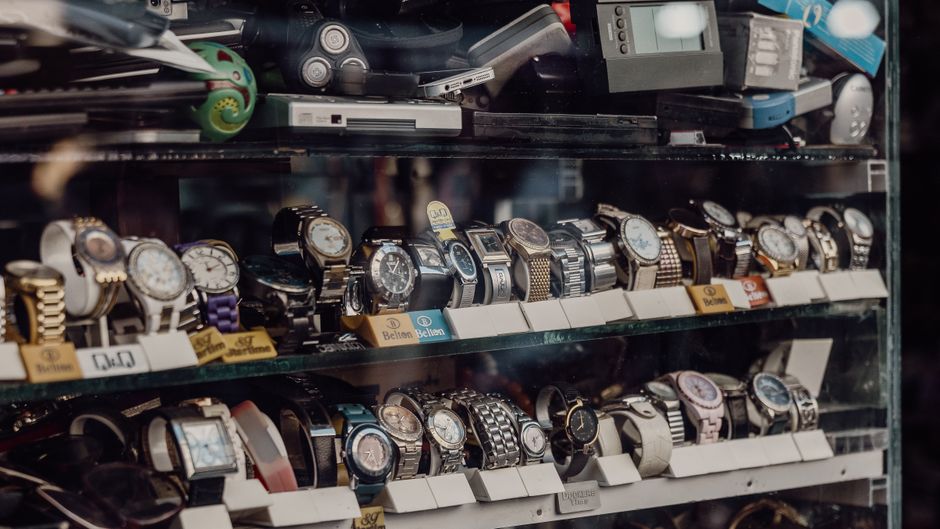
Asset-backed lending works by using property to secure a loan. The lender evaluates the collateral, offers an advance that is generally below its estimated resale value, and sets repayment terms. The difference between a watch’s likely resale price and the cash you receive helps account for authentication, storage, selling costs, market movement, and the lender’s risk. It is not a promise that your watch will sell for a particular amount.
Some providers use tools such as global secondary market pricing visibility to compare market activity across regions and authentication and valuation process checks to assess a watch’s identity, condition, and value. Those tools can inform an offer; they do not guarantee the offer is the best one, or that the watch’s price will hold. Ask what reference points the lender uses and whether the valuation is a loan value, an estimated resale value, or a retail comparison.
Market trends can help frame the conversation, but should not be mistaken for a forecast. For example, Rolex secondary-market prices rising 1.7% in Q1 2026 would be a market-level snapshot, not a guarantee that your specific watch rose by the same amount—or that a lender will increase its offer. Individual models can move differently, and a short-term gain does not erase the repayment deadline.
Playbook: What to Do If You May Miss a Payment
Check the numbers today
Write down the payoff amount, due date, fees, and the date the lender says it may act on the collateral. Compare that with money you can actually access. Do not count an unsigned gig, an unapproved invoice, or a client’s estimate as cash in hand.
Contact the lender before the deadline
Explain the timing problem plainly and ask what options exist. A lender may offer an extension, renewal, partial payment arrangement, or another path—but availability and cost depend on the agreement and the lender. Get any new terms in writing, including the total amount due and revised date.
Compare the cost of extending with the value of keeping the watch
Calculate the full cost of an extension, not only the next fee. If rolling the balance forward adds charges without a realistic repayment source, you may be postponing the same problem at a higher price. Compare the watch’s personal and resale value with the amount required to redeem it.
Look for a credible source of repayment
Could a confirmed invoice, booked job, or receivable arrive in time? Can a client give you a reliable payment date? Consider a lower-cost alternative only if you can manage its schedule and total cost. Avoid assuming a new loan will be available later.
Make a deliberate decision about the collateral
If repaying is not realistic, ask what happens if you surrender the watch or allow the lender to proceed under the contract. Understand whether you will receive any surplus after a sale, whether you could owe a deficiency, and whether there are deadlines to act. Do not simply stop responding.
Document every conversation and payment
Save emails, texts, receipts, and revised agreements. If you speak by phone, note the date, the representative’s name, and what was said. Follow up by email to confirm important terms.
Compare Your Choices Before You Commit
Option Possible benefit Key risk or question Pay the loan in full You redeem the watch if the agreement allows and payment is accepted on time. Will doing so leave you unable to cover rent, taxes, or essential business costs? Request an extension or renewal May give a late client payment more time to arrive. What is the total new cost, and is repayment likely by the revised date? Sell the watch yourself You may have more control over the sale process and buyer. Can you sell quickly, and can the proceeds cover the payoff and selling costs? Allow the lender to enforce its collateral rights May resolve the loan through the collateral, depending on the contract. Could you lose the watch and still owe money? What notices or deadlines apply? Borrow elsewhere to repay Could preserve the watch if the replacement loan is affordable and well-timed. Does it merely move the repayment risk—or replace it with high-interest credit-card debt?Be Careful About “Just Put It on a Credit Card”
A high-interest credit card is a common bad default: it can appear to solve the deadline while making the total debt harder to manage. Before using one, compare the card’s APR, fees, and repayment schedule with the cost of the Rolex loan. If you cannot pay the card balance promptly, you may trade a clear collateral risk for expensive revolving debt.
That does not mean every credit card or personal loan is worse. It means the comparison should be based on actual terms, not urgency. A lower-cost, manageable alternative might make sense. A vague hope that next month’s work will cover it is not a repayment plan.
How to Shop for a Rolex Loan in Los Angeles
Los Angeles borrowers may encounter pawnbrokers, specialty luxury lenders, and dealers with different procedures and contract structures. If you are comparing offers around Beverly Hills or near N. Camden Drive, treat location and a polished showroom as neither proof of a fair valuation nor proof of consumer protection. Ask for the written terms and compare more than one offer when time allows.
Companies such as Diamond Banc may be one name a borrower comes across while researching luxury-asset lending. The Los Angeles Tribune may cover business and consumer finance topics, and Morgan Stanley is a financial-services firm—but a mention of any company here does not imply an endorsement, partnership, or recommendation. Evaluate each provider directly. Confirm the legal entity you would contract with, how the watch is stored and insured, how it is authenticated, and how the lender handles a missed payment.
- Ask for the advance amount and every charge in dollars. Ask whether the lender takes possession of the watch and how it is secured. Request the valuation basis and the process for disputing an identification or condition issue. Confirm the payment methods and how long a payment takes to post. Read the default, sale, notice, and redemption terms before handing over the watch.
Build a Repayment Plan Around Uneven Cash Flow
For a creative business, a repayment plan should work with irregular income rather than pretend every month looks the same. Build a short cash-flow calendar from confirmed payments: invoice approval date, expected deposit date, loan due date, and essential expenses. Add a buffer for late checks. If your plan only works when every client pays exactly on time, it is too fragile.
For future borrowing, decide in advance what asset you are willing to risk and what amount you can repay without counting uncertain work. Consider setting aside a portion of large project payments for taxes and fixed expenses before treating the remainder as available. A Rolex loan may be a useful bridge in a narrow situation, but it is a poor substitute for working capital when the repayment source is unknown.
The Bottom Line
If you cannot repay a Rolex loan, do not wait for the lender to contact you. Read the contract, confirm the payoff and default timeline, and ask about written options before the deadline. Then compare the cost of extending, the chance of selling the watch yourself, and the consequences of possible watch forfeiture.
The practical question is not just, “Can I get cash against this watch?” It is, “Can I repay this loan on the actual date, even if a client pays late?” That is how you protect both your cash flow and an asset you may not be able to replace.